

Top 10 Fastest Declining Industries in 2026

“Growth is an erratic forward movement: two steps forward, one step back. Remember that and be very gentle with yourself.”
Some industries don’t die overnight. They go the way of the fax machine; slowly, quietly, then all at once.
In 2026, that moment of reckoning has arrived for more sectors than most people realize. Whether it’s AI eating white-collar workflows, consumers cutting cords, or energy markets flipping on their heads, change is brutal, and it doesn’t ask for permission.
Here are the 10 fastest declining industries right now, and what’s driving them off the cliff.
1) Oil & Gas
Due to global dependency on oil and gas, people are now converting to electric and solar consumption, like EVs, and the oil and gas industry is significantly affected by geopolitical tensions among countries, though it is experiencing a volatile transition rather than a simple straight-line decline.

One major reason is that global oil demand is losing momentum, with forecasts pointing to a contraction in 2026 rather than steady expansion.
2) Chocolate and Candy Manufacturing
Rising cocoa costs, higher labor expenses, and changing consumer habits are putting pressure on this industry, as the new generation doesn’t consume too much candy and chocolate.
The Gen Z and Gen Alpha tend to prefer healthier options. In 2020, 268.09 million Americans consumed candy, according to Statista-based reporting, while in 2025, non-chocolate candy reached 40.9% of confectionery market share, while chocolate represented 51.7%.
3) Administrative & Clerical Support
Administrative and clerical support is declining because many routine office tasks are being automated by AI and software. As a result, jobs like clerks, administrative assistants, and data-entry workers are shrinking, especially in offices that rely on repetitive paperwork and scheduling.

There jobs are heavily affected by the era of AI, because AI is managing these operation more effectively & efficiently.
4) Traditional Apparel Manufacturing
This Industry is experiencing a notable decline in traditional manual production, with some projections indicating a -4.3% CAGR. This shift is primarily driven by the “reshoring” of production to developed nations through automation.
5) Print Newspapers Fading Fast
The newspaper industry has been hit hard by economic downturns, changes in advertising revenue, and increasing operational costs. The decline in print advertising revenue, as mentioned earlier, is a major headache.
Readers now crave instant, free online content. Subscriptions dropped 15% yearly as apps like Google News aggregate stories effortlessly. Traditional papers can’t compete on speed or cost, digital ad spend overtook print by 70% globally.
Data compiled by media trackers like the Pew Research Center and the Congressional Research Service outlines the year-by-year trajectory of this decline:
Year-by-Year Print Decline Rates
- 2016: Print circulation dropped by roughly 7%.
- 2017: Daily print circulation fell by nearly 10%.
- 2018: Weekday print circulation dipped another 12%.
- 2019: Overall print metrics contracted by 11%.
- 2020: Pandemics triggered a massive 18% crash.
- 2021: Print circulation sustained a 12% loss.
- 2022: Weekday print circulation dropped by 8%.
- 2023: Year-over-year circulation slid down 8%.
- 2024: Daily print newspaper sales fell 11%.
- 2025: Mainstream print editions fell up to 21%
6) Chicken Eggs Production
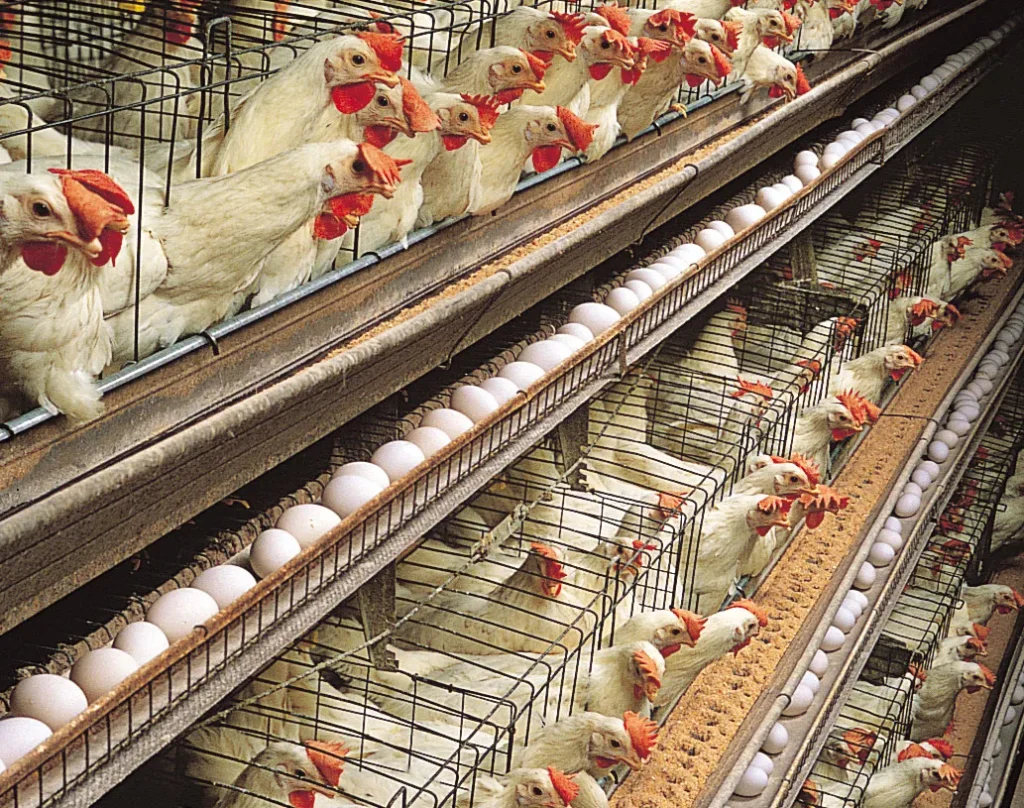
A brutal cocktail of avian influenza outbreaks, drought-driven feed cost spikes, and supply chain chaos sent egg prices sky-high in 2022–23.
Now the correction has arrived with a vengeance; prices have collapsed as supply recovers, squeezing producers hard. The industry that fed America’s breakfast table is now struggling to keep the lights on.
7) CD & Physical Music Media Manufacturing.
Streaming didn’t just beat physical music formats, it erased the conversation entirely. CDs, cassettes, and physical audio manufacturing are textbook cases of industries that had their moment, missed their pivot, and are now winding down gracefully toward zero.
8) Telemarketing & Call Centers
Cold calls are going cold, and AI chatbots are stealing the show from human agents. The US telemarketing & call centers market hit $28.5 billion in 2026 but declined at a -2.1% CAGR from 2021-2026, with employment down -2.3% CAGR to 437,690 jobs. For business pros eyeing service sectors, here’s the data on why demand for traditional roles is tanking.
9) Traditional Travel Agencies
Why queue at a travel agent’s desk when your phone books trips instantly?
Traditional travel agents are fading fast, with employment projected to decline 12% long-term and online platforms snagging 70-80% of bookings, per ongoing trends and industry shifts. For entrepreneurs in the tourism scene, this spells risks and opportunities.
10) For-Profit Education (Legacy Models)
Traditional, high-tuition for-profit college models are experiencing severe, ongoing contractions.
Contrary to being “hungry and doing just fine,” traditional coding bootcamps are facing a major industry crisis.
| Industry | Projected Decline | Key Driver | Source |
| Oil & Gas Exploration | -7.5% revenue | Renewables (EVs/solar), geopolitical tensions, and demand contraction in 2026 | IBISWorld Global |
| Chicken Egg Production | -12.6% revenue | Avian flu, feed costs, plant-based shifts, price collapse post-2023 | IBISWorld US |
| Candy & Chocolate Manufacturing | -4.7% revenue | Sugar avoidance, rising cocoa/labor costs, Gen Z health trends (40.9% non-chocolate share 2025) | IBISWorld Global |
| Global Newspaper Publishing | -2.0% revenue; -24% employment | Online news dominance, 15% sub drops, 70% digital ad overtake | IBISWorld Global |
| Telemarketing & Call Centers | -2.1% CAGR revenue; -2.3% jobs | AI/chatbots handling 30-50% interactions, 80% call abandonment | IBISWorld US |
| Traditional Travel Agencies | -12% employment long-term | Online platforms (70-80% bookings), AI planning tools | BLS Trends, homesandrooms |
| Administrative & Clerical Support | -10-15% jobs (automation) | AI/software automating routine tasks like data entry/scheduling | BLS Projections bls |
| Apparel & Leather Manufacturing | -4.3% CAGR | Automation/reshoring to developed nations has reduced manual production | uscareerinstitute |
| CD & Physical Music Media Mfg. | Near-total output collapse | Streaming dominance; vinyl niche insufficient to save category | BLS Output Decline bls |
| For-Profit Education (Legacy) | Declining enrollment | High tuition/low outcomes, skepticism of credentials vs. online alternatives | uscareerinstitute |
The Bigger Picture
Every industry on this list is facing the same underlying force: the world changed faster than the business model did.
The uncomfortable truth is that a single disruption rarely causes decline. It’s usually a slow accumulation of shifts, in consumer behavior, technology, regulation, and competition, eventually reaches a tipping point. By the time it shows up in the revenue numbers, the window to pivot has often already closed.
If you’re in one of these industries, the question isn’t whether to change. It’s whether you started changing early enough.

